
Amadou Diallo Doesn’t Wait for Permission
Film Title: A Song Called Quest
Budget: $60,000
Status: Post production
Logline: Three musicians reunite after 15 years. But as they play a song from their heyday, old wounds surface, and the long-held secret behind their breakup is revealed.
Synopsis: Fifteen years ago, Quincy, Sandra and Taru were about to become the next big thing in jazz before the band suddenly broke up. Sandra went on to become a pop star, Taru, a respected bandleader, and Quincy disappeared into obscurity. When the trio reunites to perform at their mentor's memorial service, playing a tune from their heyday opens old wounds of regret and betrayal as the long-held secret behind their breakup is revealed.
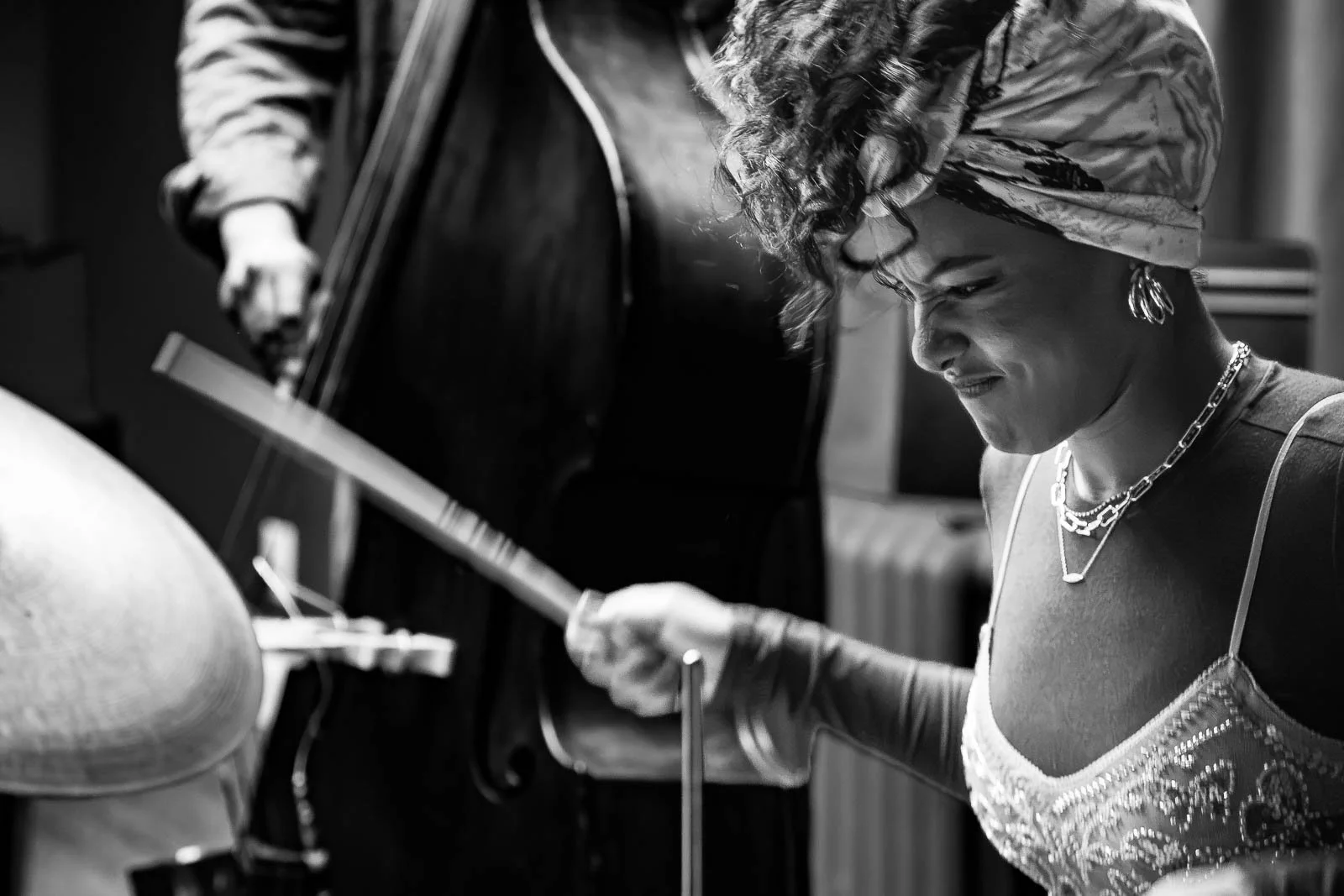
Still image from the set of A Song Called Quest with Beth Million
A Song Called Quest was a finalist project for our Spring 2026 Grants Program, with a memorable short script that explores electric character dynamics and heartbreaking surprises through their journey. Writer/Director Amadou Diallo gave us an insightful interview into his process in making the film.
How did you fund the project?
[Amadou Diallo] The film is primarily self-funded with some institutional support.
Did you have funding in place before writing, or get funding together after you wrote the script?
[AD] I wrote the script with the idea that I was going to self-finance it while applying for as much institutional funding as I could once I had a final draft.
What are some of the pros about funding this way? The cons?
[AD] I self-financed my previous short film and the biggest benefit is that you know it’s going to get made and that you can make it quickly, without going through months or years of fundraising. It’s really important to be making stuff without waiting for permission. I’m a TV writer and fortunate enough to have been working regularly since I broke in. But even in a successful career, you hear “no” way more often than you hear “yes”. When I go out to pitch a TV show, for example, I’m asking a producer/studio/network to commit millions of dollars to a project that is just a fleshed out idea in a pitch deck, or words on a page if I’m shopping the script. If I got to make even one out of every five pitches, that would be an incredible batting average in this industry. So again, the allure of self-funding is that if it’s a project I’m passionate about, it will get made.
The obvious downside is spending your own money, which you will never recoup on a short. So you have to look at it as an investment in your career.
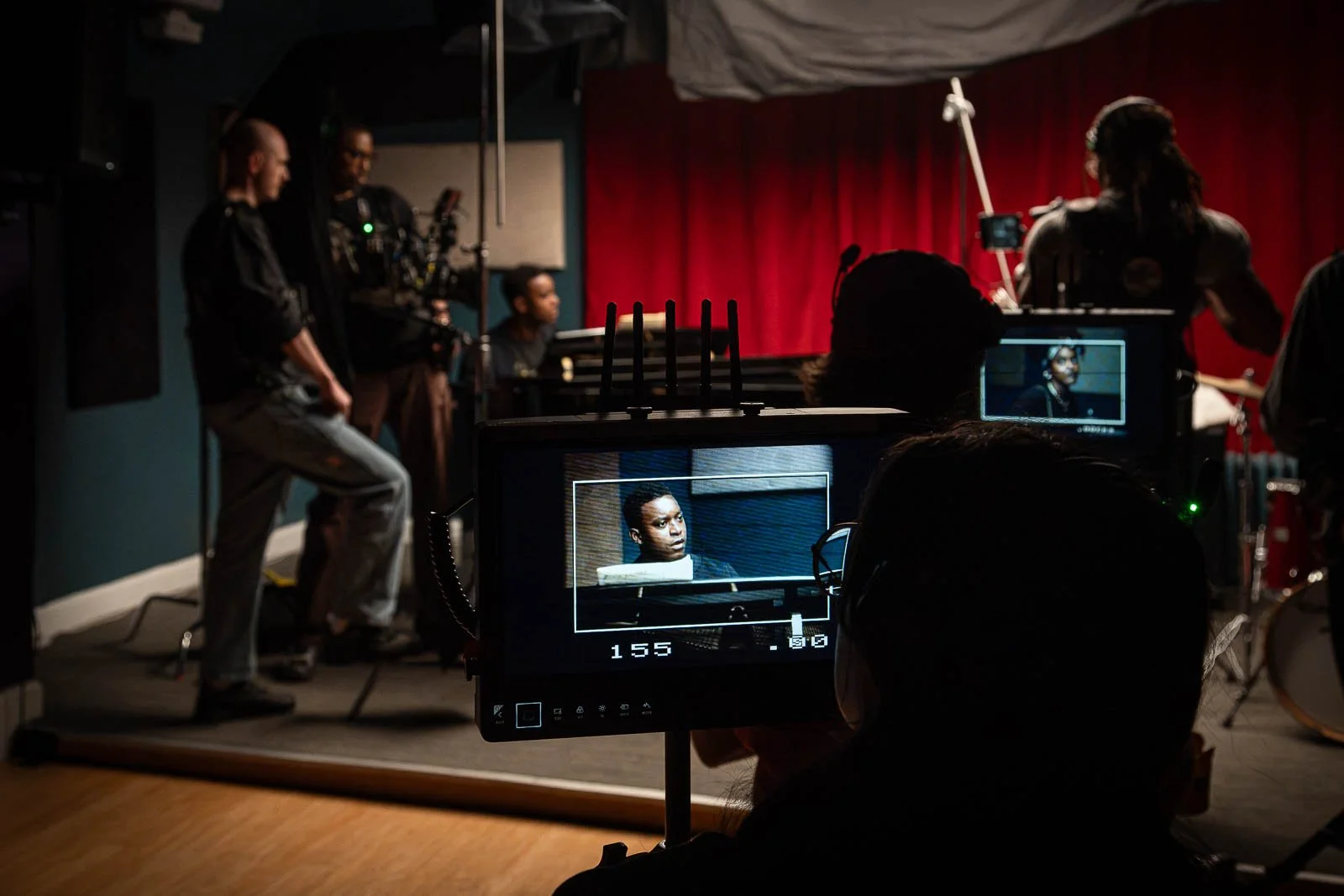
The set of A Song Called Quest
What is your long-term vision for the project?
[AD] After what we hope will be a successful festival run, this short will hopefully re-ignite interest in a TV pilot that I was shopping right before the writer’s strike. The TV show was a coming-of-age story about three musicians just hitting their 20s. The short film takes place 10-15 years after the series would have ended, so we get to see these same characters as they approach their 40s.
Did you learn anything when it comes to funding and budgeting that you will do differently on your next project?
[AD] The biggest lessons for me came after my first short. During that film’s festival run, I saw first-hand the value of having some institutional support behind your film. My film got into multiple Oscar-qualifying festivals but I was doing it all on my own, with no prior connections to the festival world. The value of having labs, incubators, and funders, like Flatiron, is that they have these relationships. It may just be a discounted submission fee. Or it may mean that the festival programmer watches your film at the start of their day instead of at 1 am as they plow through a pile of submissions. Nothing guarantees you acceptance, but you at least want your film to get a fair viewing.
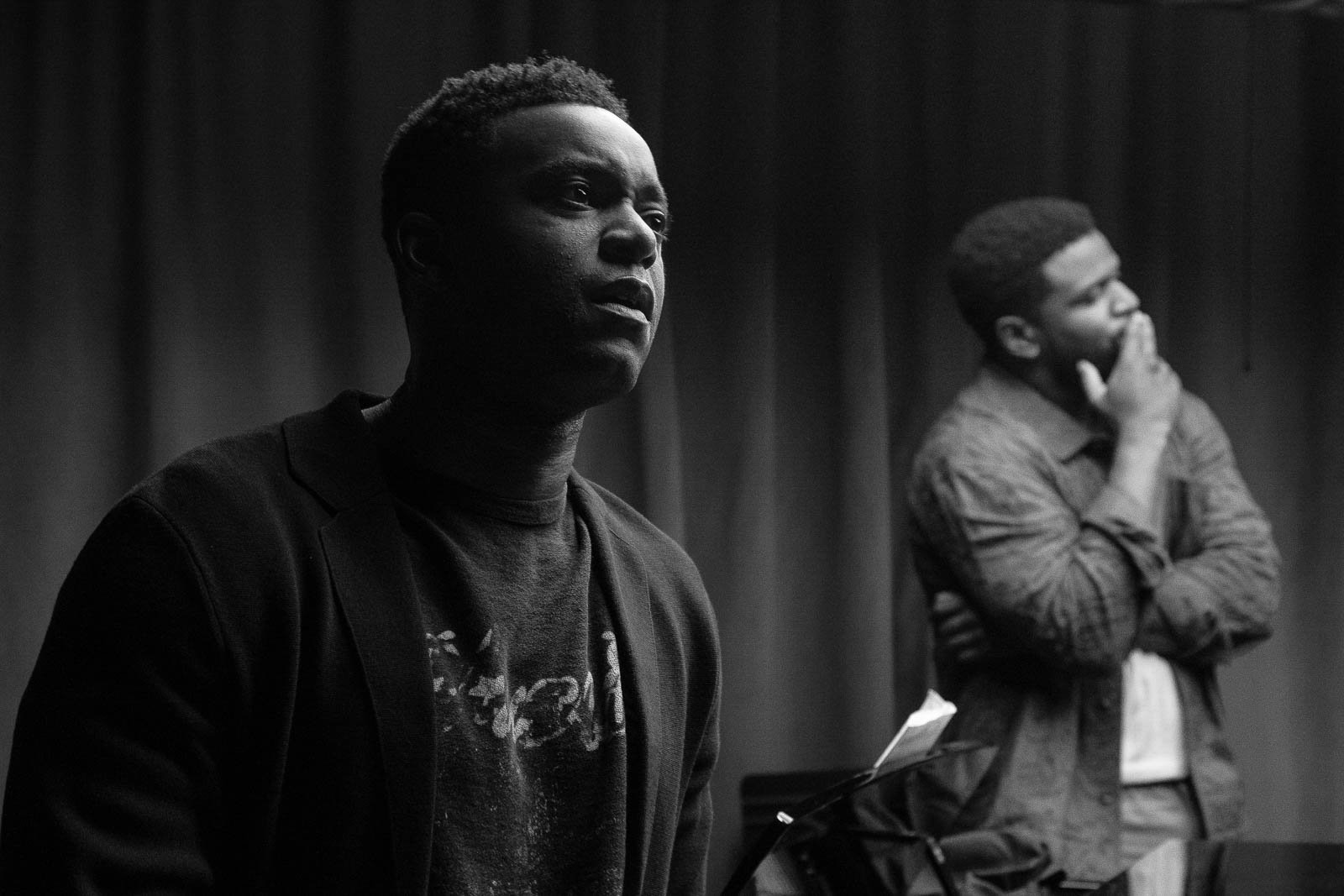
Still image from the set of A Song Called Quest with RJ Brown, Malachi Beasley
Were there any areas where you were able to call in favors/save money? What were those areas?
[AD] That’s probably a question for my producer. I think the most important favor is one that you can do for yourself; write a great script! If you have a story you’re passionate about and can deliver a script that gets people excited, you can get amazingly talented cast and crew on your project. People want to work on projects they’re excited about and if you can find your tribe, people who are attracted to the kinds of stories you want to tell, you can punch way above your weight. My previous short I got a Tony Award-winning actress to star in a two-hander! We paid everybody but nobody did it for the money. They signed on because there was something in the script and the story that resonated with them. So, I’d rather write something that gives people a creative reason to sign on, rather than ask experienced cast or crew to work as a favor.
Did you get any budget or expense surprises that you weren’t expecting?
[AD] Everything costs more than you think it will but the fact that I don’t have any surprises on a film that is coming in on budget is because I have an amazing producer, Disney Hall. I can’t stress enough how important it is to have a strong, experienced producer. For me that’s the most important line item in the budget, because making any film is a small miracle that depends on so many things going right simultaneously. I back myself as a writer and director, but I know I’d be a terrible producer.
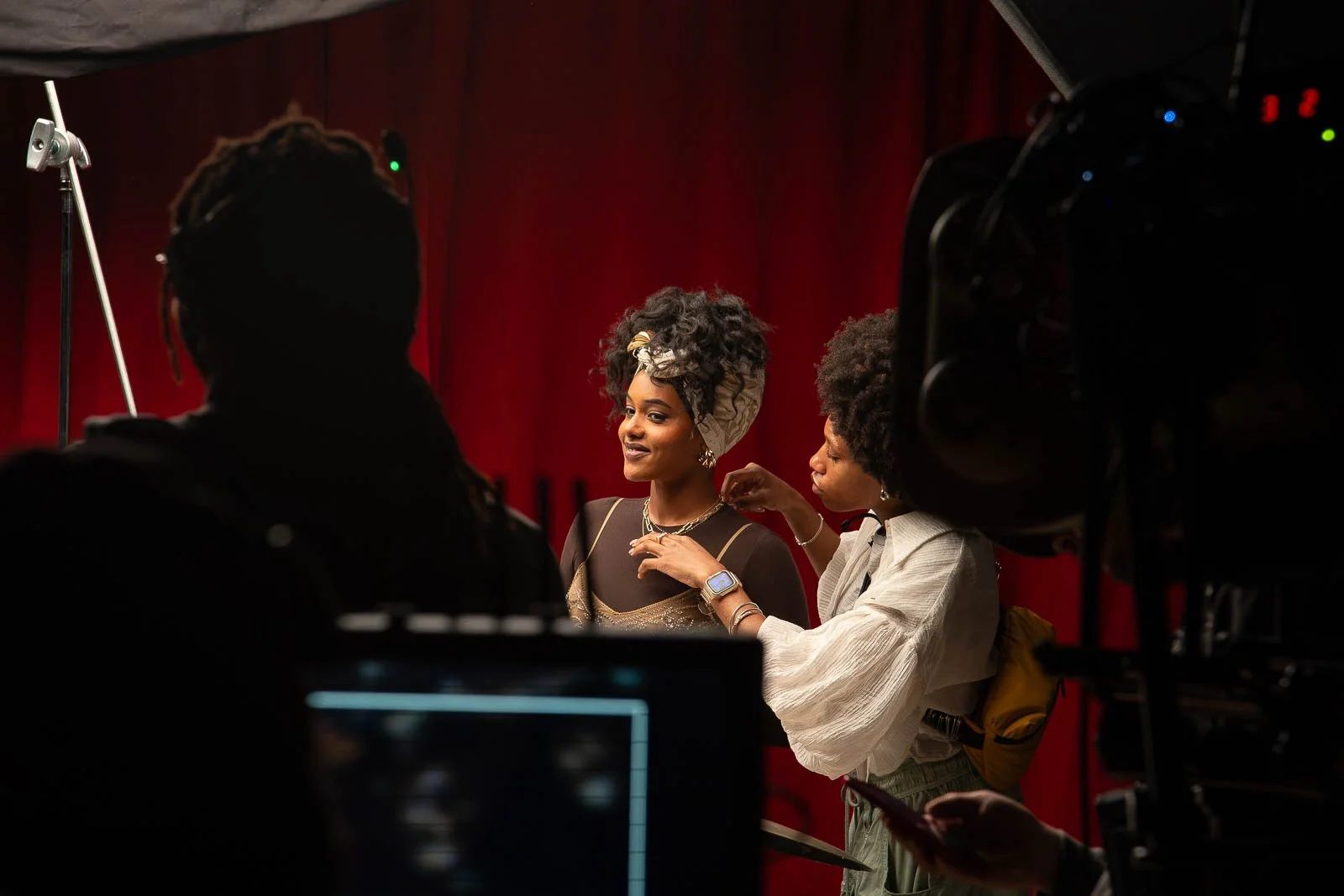
Beth Million and Wardrobe stylist Kayla Brathwaite on the set of A Song Called Quest
Any fun anecdotes you'd like to share?
[AD] I don’t know if this is fun, but shortly into the rehearsal day for my first short, I suddenly felt really ill. I was hot, my stomach was churning, and I had a bad headache. It lasted all the way until lunch. Later I realized it was nerves. The stress of doing this for the first time, when everyone else in that room was a veteran, physically manifested itself in my body. The upside? Trying to conceal my ailment, I spoke very little that morning. Instead I listened attentively to my actors, chiming in when needed, but really let them have the floor as we worked through character and motivation. The actors had great ideas, felt heard, and we laid the foundation for some great choices a week later on set. Now, I’m usually a big talker and have to consciously leave space for others, so I actually think getting sick made for a more productive rehearsal!
Any final thoughts?
[AD] Whether you’re self-financing, crowd-funding or hitting up donors, making a film is a big endeavor that requires problem-solving nearly every day. As a director, the biggest thing you can do for yourself, your cast and your crew is to have a clear vision of the story you’re trying to tell. And to develop the skill to communicate that vision in a way that everyone on the project understands. You don’t need to have all the answers. You won’t. I think of the process as a long road trip. Say you’re going from NY to Miami and your plan was to take I-95 the whole way. Be open to every idea from your cast and crew. They may suggest a more scenic route, that includes some unexpected stopovers and unforeseen discoveries. Your job is just to make sure you end up in Miami, not Cleveland.
Thanks so much for sharing, Amadou. Wishing this project the very best!
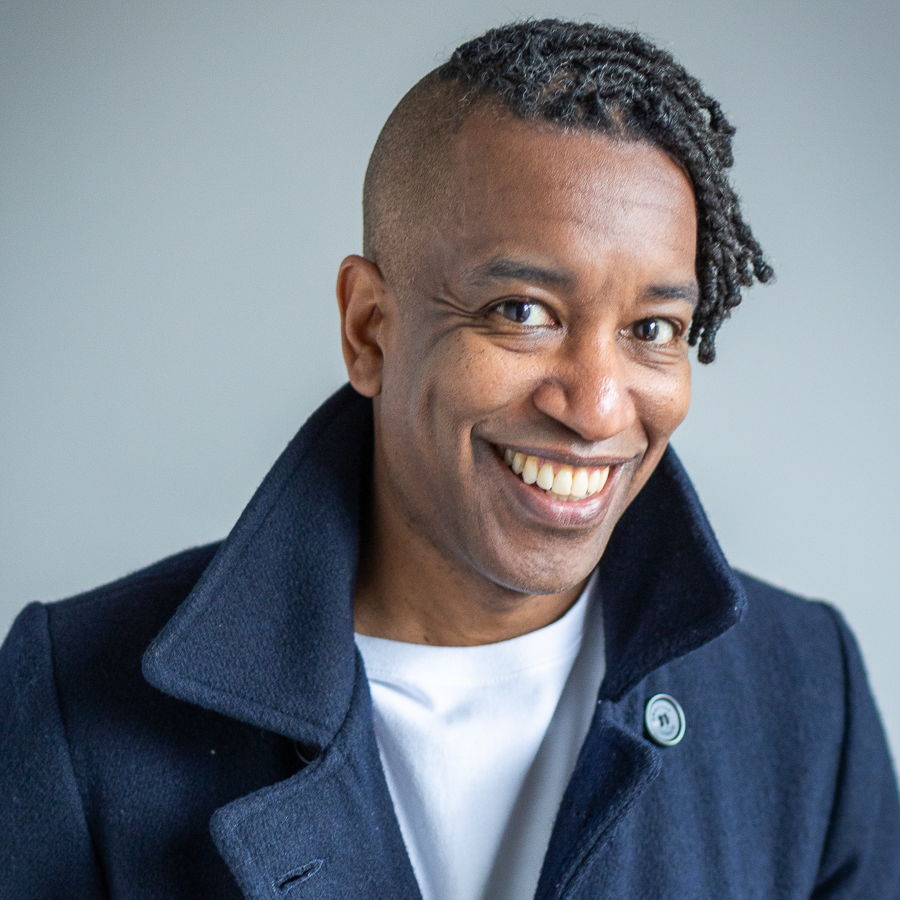
About Amadou Diallo
Writer/Director Amadou Diallo's filmmaking is shaped by a career that has spanned multiple art forms. He's toured and recorded as a jazz musician, had solo photography exhibitions and his journalism has appeared in The New York Times and The Atlantic. Amadou has written on dramas for AMC, Hulu and Showtime, including the final season of BILLIONS.
His screenplay, WHITE LION, is currently in development with Macro Film Studios with Emmy Award-winner Jharrel Jerome set to star. Amadou’s short film, TANGO, featuring Tony Award-winning actress Tonya Pinkins, has played at Oscar-qualifying film festivals across the country, including the 21st Annual HollyShorts Film Festival and the 23rd Martha’s Vineyard African-American Film Festival.
IMDB link https://www.imdb.com/name/nm10904293