
Michael Cooke on Community and Film
Film Title: Forget Me Not
Logline: After a painful breakup, Marcus and Sienna, two memory-altering wizards living quietly in Brooklyn, erase each other from their minds. When a powerful relic tied to their past resurfaces, they are forced back into one another’s orbit, confronting the consequences of a love that refused to disappear.
Synopsis: On Halloween morning, Marcus wakes in Brooklyn with a splitting headache and an unplaceable grief. Across the city, Sienna feels the same absence. They don’t remember each other, but they should.
The night before, they ended their volatile relationship by ritual, drinking a potion to erase their shared past. For Marcus, the risk was not only emotional. His parents work for the Order of Magical Governance, a secret organization that polices magic.
By morning, Marcus’s wand, an unstable object shaped by years of shared magic, has vanished. If the Order finds it first, the consequences will be irreversible.
Forced back into each other’s orbit, Marcus and Sienna retrace their relationship through fragmented memories, confronting not whether love can return, but whether forgetting it was ever mercy.
Forget Me Not is a magical realist love story about memory as consequence and heartbreak as ritual.
Forget Me Not was a finalist for our Spring 2026 Grants Program. A beautiful piece set in Brooklyn that stands out for its genre, grounded magical realism. Writer/Director/Producer Michael Cooke gets real about the process and what it means to continue choosing your project, even when the excitement wears off. Check out their crowdfunding page.
How did you fund the project?
[Michael Cooke] The project has been primarily self-financed, with support from a small group of private investors and collaborators who believed in the film early on. I put a significant amount of my own money into getting the film made because I knew waiting for perfect conditions would probably mean never making it.
We’re now entering the next phase of financing, which is focused on finishing funds and post-production support.
Did you have funding in place before writing, or get funding together after you wrote the script?
[MC] I wrote the script with funding in mind from the beginning. I knew this had to be ambitious creatively, but realistic financially.
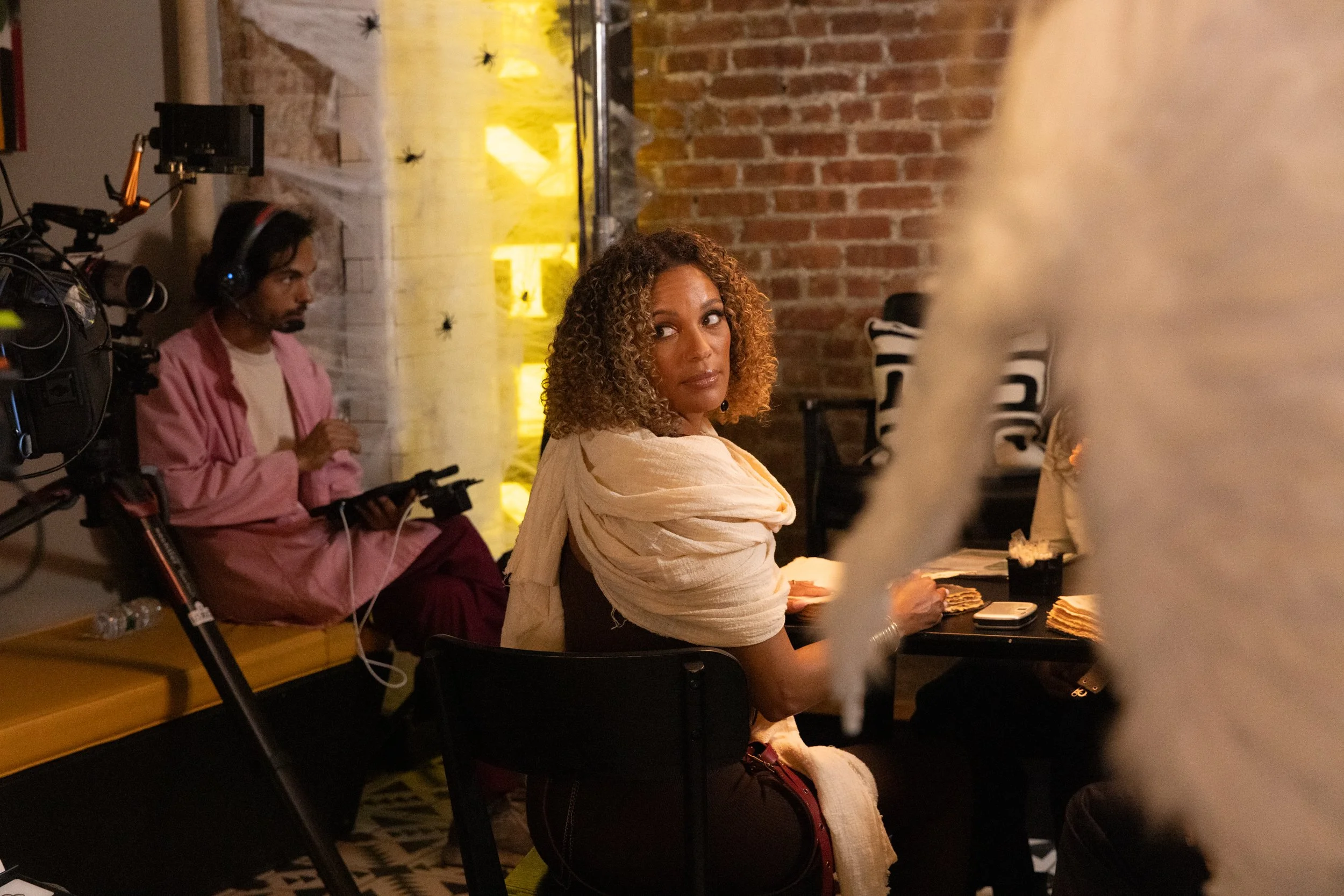
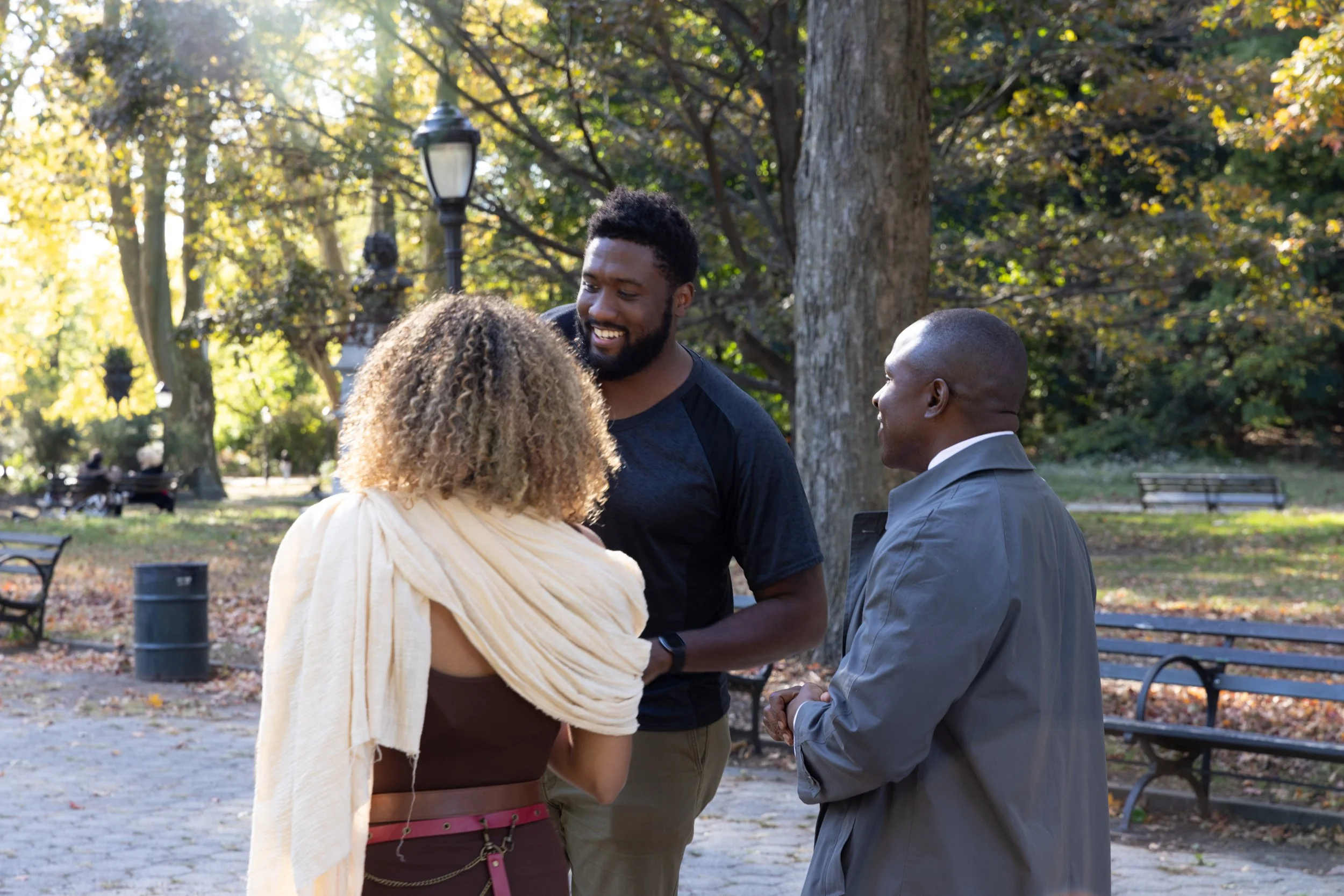
A lot of the story was built around resources I already had access to: friends, collaborators, neighborhood locations, and places I knew we could get for free or at reduced rates. I also wrote the film so most of it takes place within a four-block radius in Brooklyn. That helped us avoid huge company moves and made the production more manageable.
So the funding did come together after the script was written, but the script itself was designed around what I believed we could actually pull off.
What are some of the pros about funding this way? The cons?
[MC] The biggest pro is creative control. Because the film was funded independently, I was able to protect the tone, story, casting, and visual language without having to reshape the film around someone else’s expectations.
The other pro is that I come from a producing, editing, and cinematography background, so I’m used to seeing a film from multiple angles. I could make creative decisions while also understanding the practical impact on schedule, budget, coverage, locations, and post.
The con is the pressure. When you are financing independently, there is no real separation between the creative risk and the personal risk. You are directing the movie, producing the movie, fundraising for the movie, solving budget problems, and carrying the anxiety of every decision. It gives you freedom, but the freedom is not light. It comes with real responsibility.
What is your long-term vision for the project?
[MC] My long-term vision is for Forget Me Not to have a real life beyond production. I want the film to reach audiences through festivals, distribution, and community screenings, especially people who are hungry for emotionally grounded genre stories that center Black characters in romance, magic, and interior life.
As my debut feature, I also hope the film becomes a clear statement of the kind of director I want to be: someone interested in stories that are intimate, cinematic, emotionally honest, and still commercially accessible. I wanted to make a film that could hold heartbreak and wonder in the same frame.
More than anything, I see Forget Me Not as a foundation. It is the first major step toward a larger body of work that treats genre as a way to talk about real human feeling.

Did you learn anything when it comes to funding and budgeting that you will do differently on your next project?
[MC] I came into this project with a lot of production experience. I’ve directed and shot dozens of shorts, commercials, and branded projects, so I knew how to make images, build a crew, plan a shoot, and get through production.
What changed on Forget Me Not was seeing all of that on a feature scale. It was a grounding reminder that community is everything. Friendships, trust, favors, and long-term creative relationships are a huge part of how independent films get made.
But I also learned that community cannot replace budget. It can stretch a budget, protect a production, and make impossible things possible, but you still need enough financing to support the people doing the work.
On my next project, I would build in more money earlier, especially for post-production, contingency, and the parts of the process that happen after the excitement of the shoot is over. The honest lesson is: I’m proud of how much we were able to do with what we had, but I also wish we had more money. That would have given the film, the team, and myself more room to breathe.
Were there any areas where you were able to call in favors/save money? What were those areas?
[MC] Yes. A lot of the film was made possible through favors, relationships, and people simply believing in what we were trying to do.
Locations were probably the biggest area where we saved money. Many of our locations came through friends, family, and people in the neighborhood who were willing to open their doors to us for free or at reduced rates. Because the film was written around places I already had access to, we were able to keep the footprint smaller and avoid some of the costs that usually come with moving a feature around the city.
But what surprised me most was how much support came from unexpected places. There were small acts of generosity throughout the shoot. A coffee shop near our base camp gave us free coffee and bagels at the end of the day because one of our lead actors had been kind to the barista. Random people in the neighborhood started supporting us because they kept seeing our crew around and became curious about what we were making.
Those things may sound small, but on an indie film, they matter. They remind you that a movie is not just made by the people with official credits. It is also made by the community around it.
Did you get any budget or expense surprises that you weren’t expecting?
[MC] Not in the sense of one huge surprise expense that suddenly changed everything. We did not have a single disaster line item that blew up the production overnight.
The bigger surprise was how quickly the normal costs of a feature add up. Even when you are being careful, even when people are helping, even when you are making smart choices, the scale of a feature means every small expense starts to matter. Meals, transportation, insurance, payroll, locations, permits, hard drives, rentals, pickups, post-production. None of those things are shocking individually, but together they become very real.
So the surprise was less about one unexpected cost and more about the accumulation. A feature teaches you that “small” expenses are only small until they happen every day across an entire production.
Any fun anecdotes you'd like to share?
[MC] One thing that really warms my heart is how many relationships came out of making this film. A lot of the crew that came together for Forget Me Not are still connected, still friends, and still supporting each other beyond the production itself.
That feels very true to the spirit of the movie. We were making a story about memory, love, and the invisible things that remain between people, and in the process, this small community formed around the film.
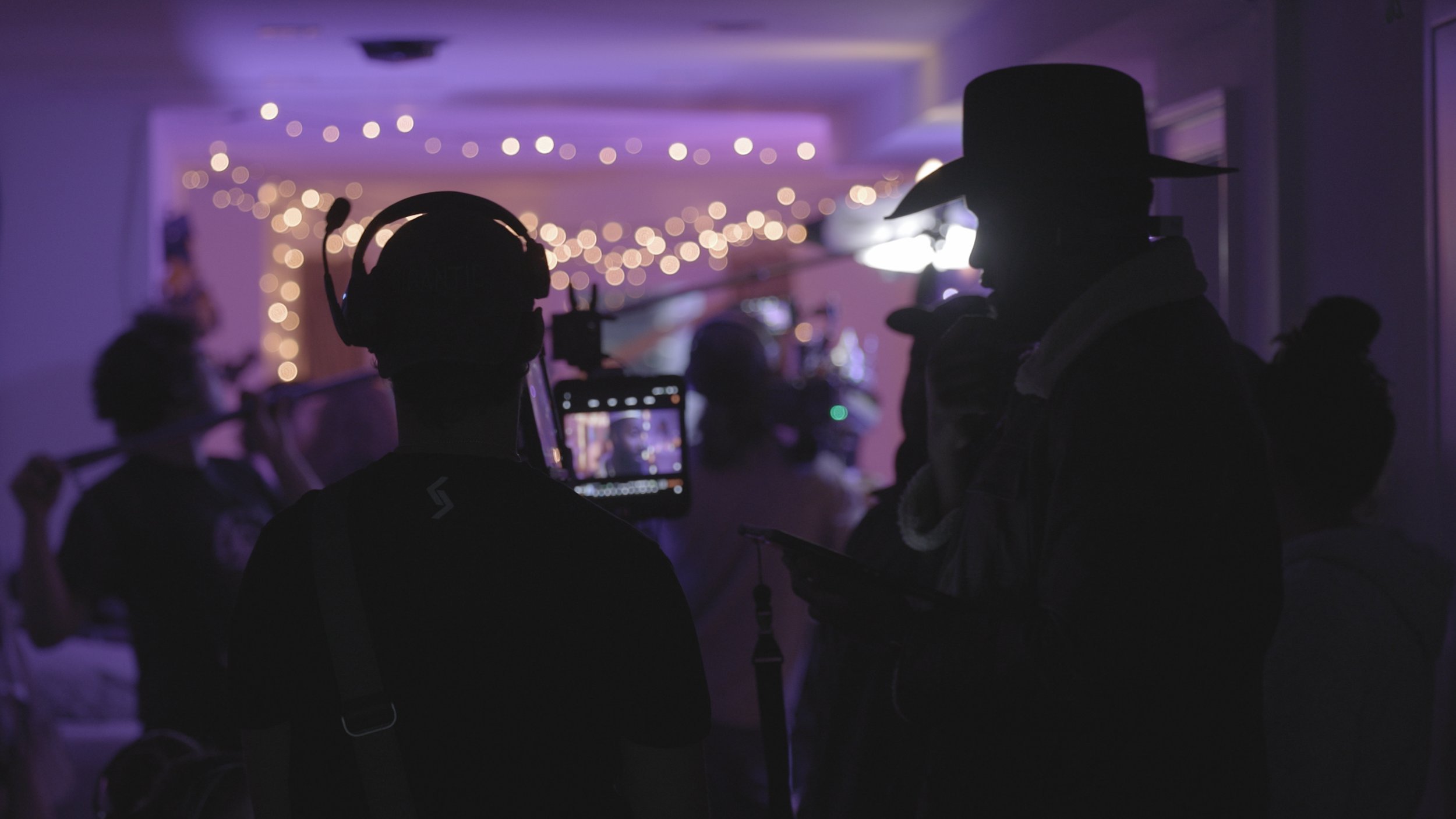
There were also plenty of funny indie-film realities. When you make a magical realism film on a tight budget, you are constantly translating big emotional ideas into practical solutions. Something that feels simple on the page, like a memory spell or a magical object tied to someone’s past, suddenly needs locations, props, lighting, VFX, sound design, and time.
So there were many moments where we were standing in a very real Brooklyn location trying to make something invisible feel emotionally present. That tension between the ordinary and the magical became part of the DNA of the movie.
What do you think people will be interested in knowing that I haven't asked?
[MC] I think people may be interested in how much of independent filmmaking is emotional endurance. The budget matters, the schedule matters, the gear matters, but so much of the process is about continuing to believe in the film after the easy excitement wears off.
For me, Forget Me Not has been about love, memory, grief, and the things we try to erase but still carry with us. Making the film has mirrored that in a lot of ways. It has required me to keep choosing the project over and over again, even when the path was unclear.
That is probably the part people do not always see: finishing the film is not one decision. It is hundreds of decisions to keep going.
Congrats to the whole team, we’re rooting for you and can’t wait to see the finished film!
About Michael Cooke
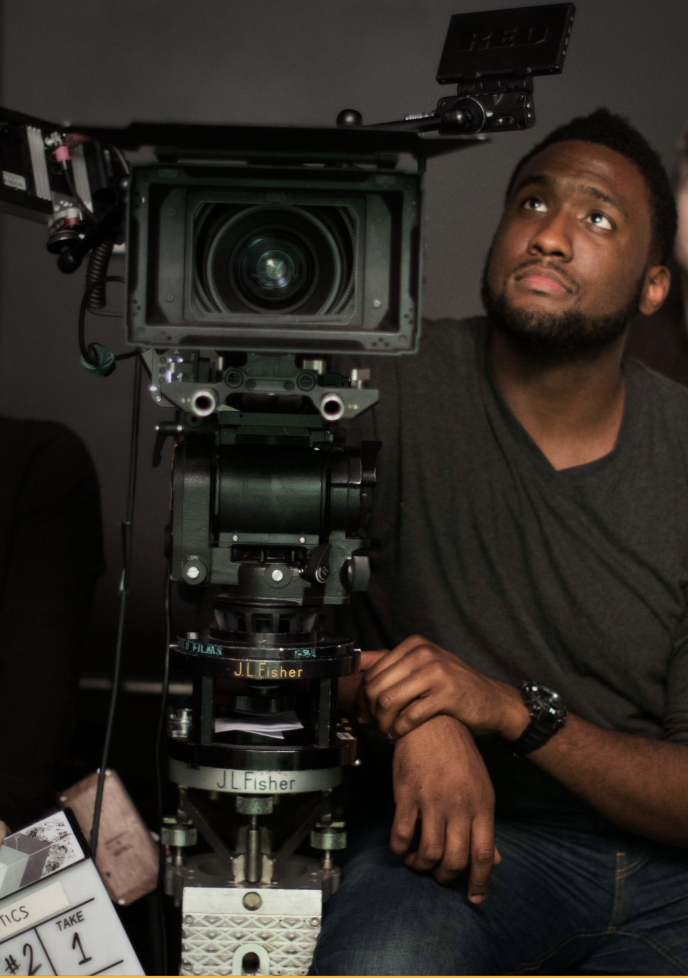
Michael Cooke is more than your standard filmmaker. He’s a director, cinematographer, editor, and producer a multi-hyphenate creative who’s been shaping stories across mediums for over a decade.
With dozens of narrative films and commercial projects under his belt, Michael brings both artistic vision and hands-on experience to every frame. He’s directed and lensed award-winning short films (Across the Tracks, Freeman Hospitality), while also cutting his teeth in the commercial world with campaigns for Apple, American Express, and HBO.
Forget Me Not is his debut feature and Michael is bringing all of his experience, relationships, and creative instincts to bear on what is poised to become a cult classic. Years of storytelling across narrative and commercial worlds have led to this: a film that’s as emotionally grounded as it is visually unforgettable.